Explore Trump criticism Minnesota policy on welfare fraud, corruption, and fishing policy reversal. Discover the key issues and insights today.

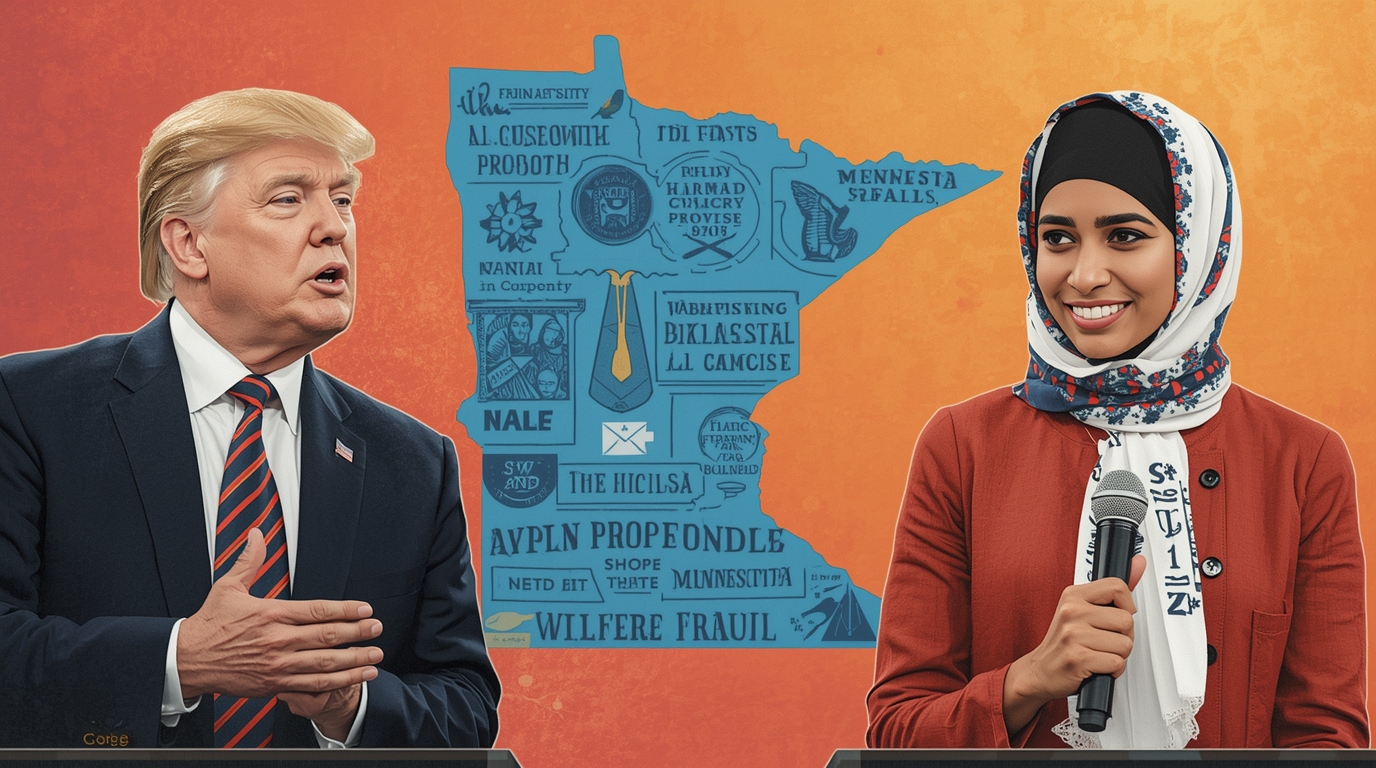
Donald Trump criticism Minnesota policy sharply targets welfare fraud and policy reversals related to the state’s immigration and social welfare programs. His scrutiny highlights ongoing controversies surrounding welfare fraud cases, Minnesota’s governance choices, and the political debate influencing diverse communities such as Somali immigrants and prominent figures like Congresswoman Ilhan Omar.
Trump’s commentary on Minnesota welfare programs comes amid allegations of significant fraud, which have led to the halting of Medicaid funds by his administration as reported by PBS NewsHour. This action underscores a critical governance challenge in reviewing the integrity and effectiveness of social safety net programs. Minnesota’s welfare system, already complex due to its integration with federal and state oversight, faces intensified scrutiny over how resources are distributed and managed.
The growing Trump criticism Minnesota policy debate has become a focal point in national political discussions.
Table of Contents
Trump Criticism Minnesota Policy and Immigration Debate
A notable political element involves Minnesota’s sizable Somali immigrant community, which has been central to both the state’s demographic changes and the political discourse. Ilhan Omar, a Somali-American Congresswoman, embodies this intersection of immigration and policy debates, often drawing national attention. Trump’s criticism has invoked this backdrop, reflecting broader discussions on immigration policy that impact local welfare and social services. This ties directly into a wider examination of Minnesota’s political landscape, where immigration policies intersect with welfare and governance issues, as explored in analyses of Minnesota politics and immigration policy.
Trump Criticism Minnesota Policy on Fishing Regulations
Further complicating the policy environment are recent reversals on fishing regulations in Minnesota, which have angered specific constituency groups. The Minnesota Department of Natural Resources outlines ongoing rulemaking around fisheries management, crucial for environmental sustainability and local economies, yet these shifts also feed into political controversies where administrations revise or retract prior positions, revealing tensions between ecological goals and political expediency. Details of these changes and public input opportunities are found in the official Minnesota fisheries rule process.
Trump Criticism Minnesota Policy and Welfare Fraud Investigations
Welfare fraud investigations in Minnesota receive additional focus through law enforcement efforts, including the specialized investigative services division, which handles financial crime concerns involving state programs. These efforts seek to uphold program integrity and ensure taxpayer funds are safeguarded, yet the persistence of fraud cases feeds accusations that current policies and oversight remain insufficient, further fueling political critiques. The state’s reporting mechanisms and fraud definition processes are detailed by the Minnesota Bureau of Criminal Apprehension financial crimes and fraud resources.
Trump’s direct and confrontational tone on these issues often elevates the political stakes, invigorating debates about governance priorities and resource allocation in Minnesota. His focus on welfare fraud scandals, immigration-linked policy criticisms, and environmental regulation reversals connects a complex array of local governance challenges with national political narratives. This framing invites deeper exploration of how Minnesota’s diverse communities navigate the intersections of policy, politics, and identity.
How Trump Criticism Minnesota Policy Impacts State Governance
Understanding these developments requires situating them within broader political dynamics and local impacts. The debate over welfare program changes includes evaluating their social outcomes and administrative transparency, especially in communities affected by immigration policy and demographic shifts. Environmental rules around fishing signify another dimension in governance disputes where economic interests and conservation efforts collide.
Ultimately, Trump’s criticism of Minnesota policy serves as a touchstone for larger discussions on state governance efficacy, accountability, and social equity. It pressures Minnesota’s political leaders to address substantiated welfare fraud issues while managing the sensitivities tied to immigration and environmental policymaking. Through ongoing investigations, public debates, and political maneuvering, the state remains a microcosm of broader American governance challenges in the 21st century.

About the Author