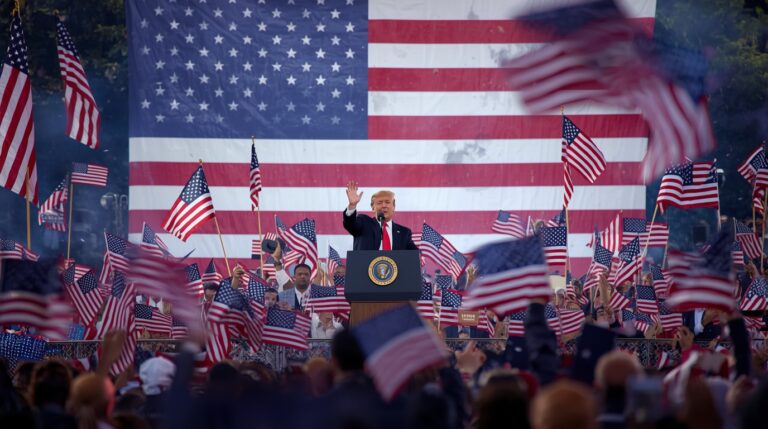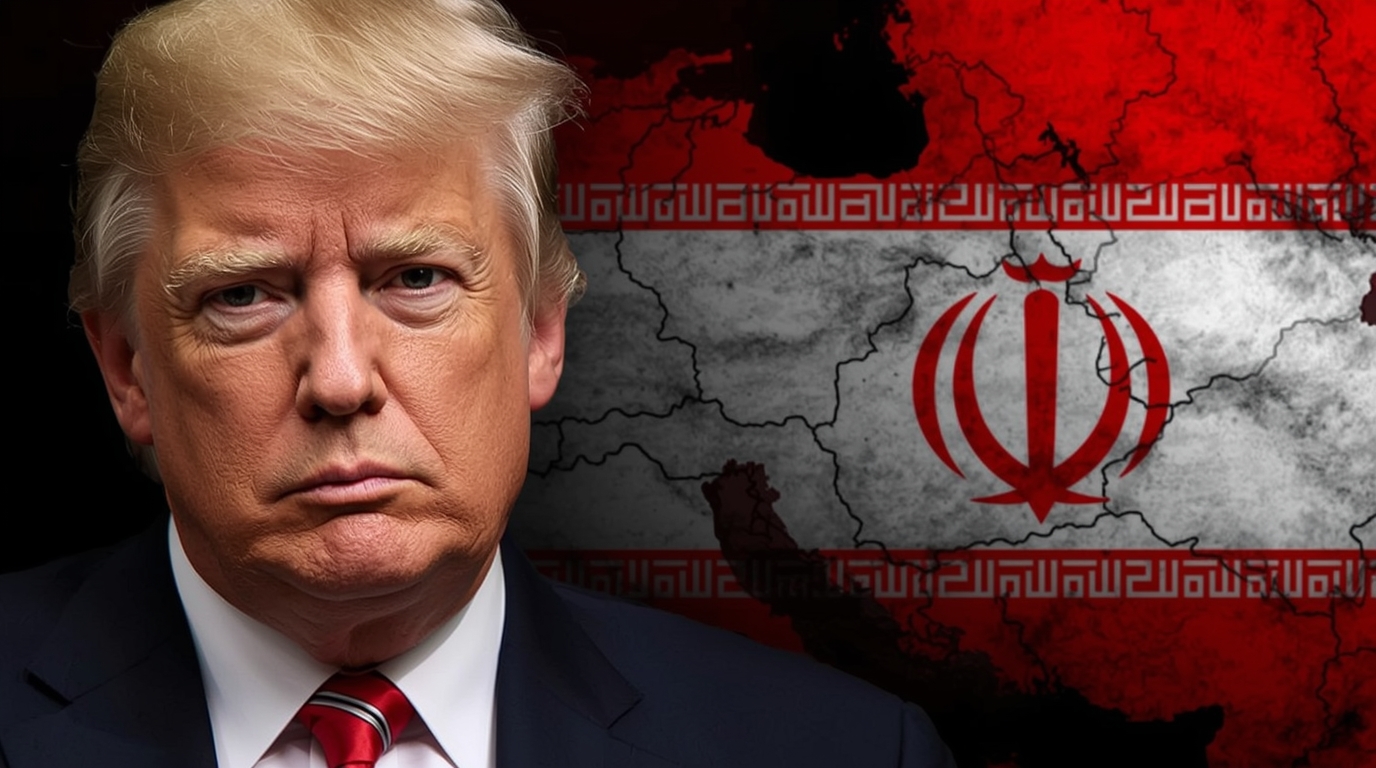
Discover how the Trump Iran threat escalates global tensions, impacts security, and shapes geopolitics. Learn what it means for the world now.

Donald Trump’s recent threats to Iran have reignited global tensions, marking a dangerous escalation in one of the most volatile geopolitical flashpoints. His direct warnings—framed as stern ultimatums to Tehran—have captured international attention, stirring concerns about a potential military conflict and its far-reaching consequences.
The phrase “Trump Iran threat” has surged in political discourse, referring specifically to President Trump’s declarations threatening military and economic action against Iran in response to ongoing regional hostilities and diplomatic deadlocks. These threats stand against a backdrop of decades-long fraught relations between the U.S. and Iran, characterized by cycles of confrontation and uneasy engagement.
Table of Contents
Trump Iran threat and the History of U.S.-Iran Relations
To understand the gravity of Trump’s stance, it is essential to revisit the historical context of Iran-U.S. relations. Since the 1979 Iranian Revolution, which established the Islamic Republic, the two nations have remained adversaries. U.S. sanctions, particularly those intensified during Trump’s administration, have severely restricted Iran’s economy and energy exports. Such sanctions aim to curb Iran’s nuclear ambitions and regional influence but have also hardened Tehran’s resolve, fueling reciprocal hostility.
Trump Iran Threat Raises Military and Diplomatic Tensions
Current military and diplomatic tensions further complicate this picture. Recent tit-for-tat strikes between Iran-backed militias and U.S. forces in the Middle East have escalated fears of a larger conflict. Trump’s warnings suggest that any delay in Iran returning to negotiating tables or complying with international demands could provoke fresh military strikes. He has been explicit, warning Iran it “will pay the price” if it hesitates on crucial deal commitments. These developments come amid broader regional instability, where proxy conflicts and alliances raise the stakes for all involved.
Economic Impact of the Trump Iran Threat
The repercussions of Trump’s Iran threat extend well beyond the immediate region. Markets have reacted sharply, with oil prices reflecting anxiety over potential disruptions to the Strait of Hormuz—a key chokepoint for global energy supplies. This economic dimension adds another layer of complexity, linking geopolitical risk directly to consumers worldwide.
Responses from world leaders have varied but unanimously underscore the precarious nature of the situation. Some have called for restraint and renewed dialogue, advocating diplomatic avenues to defuse tensions. Others highlight the need to maintain a firm stance, emphasizing deterrence against what they perceive as Iran’s destabilizing actions.
Such dynamics highlight the importance of ongoing international efforts, such as the EU sanctions and initiatives surrounding the Hormuz demining mission, which aim to secure critical maritime routes and discourage conflict escalation. These measures signify a shared global interest in preventing a wider confrontation that could have disastrous humanitarian and economic consequences.
Future Scenarios Following the Trump Iran Threat
Looking ahead, experts emphasize multiple possible scenarios ranging from renewed diplomatic agreements to full-scale military engagement. Analysts from the Council on Foreign Relations note that the “confrontation between the United States and Iran” remains fluid, with potential flashpoints that could either spark war or open pathways for compromise. This delicate balance underscores the unpredictable nature of the crisis.
The hesitation observed in Trump’s approach—a blend of aggressive rhetoric and measured military action—reflects the complex calculus of engaging Iran. Analysts at Al Jazeera suggest that despite his hardline posture, Trump hesitates to launch a full-scale war, aware of the regional chaos and U.S. interests at stake. Understanding this nuance is critical for anticipating how future developments might unfold.
Trump’s own statements, as documented in the official remarks on Iran, illustrate his administration’s strategy of combining pressure with conditional diplomacy, framing Iran’s compliance as pivotal to regional stability.
In sum, the Trump Iran threat signals a volatile chapter in international relations, shaped by historic grievances and modern strategic calculations. The potential for heightened military conflict, economic disruption, and diplomatic crises loops back to core questions: What does this mean for global security, and how can the international community mitigate risks?
The stakes warrant vigilant attention from policymakers, analysts, and the public alike. Understanding these factors is crucial for grasping the broader implications of Trump’s warnings. As this situation evolves, it challenges conventional approaches to conflict resolution and demands innovative, collaborative responses.
Engagement with this topic is vital—share your perspectives on the implications of Trump’s threats and join the conversation on how peace might prevail amidst growing tensions.
The Trump Iran threat remains one of the most closely watched geopolitical developments, with implications for security, diplomacy, and global energy markets.

About the Author