Discover the shocking truth behind Iran arming African wars and terrorists. Learn how this impacts global security and regional stability.

Iran arming Africa wars and terrorist organizations is an escalating reality reshaping the continent’s security landscape with profound geopolitical implications. The influx of Iranian weapons into African conflict zones fuels instability and deepens the complex network of militant groups operating across the region.
Table of Contents
Iran Arming Africa Wars and Terrorist Organizations in Sudan
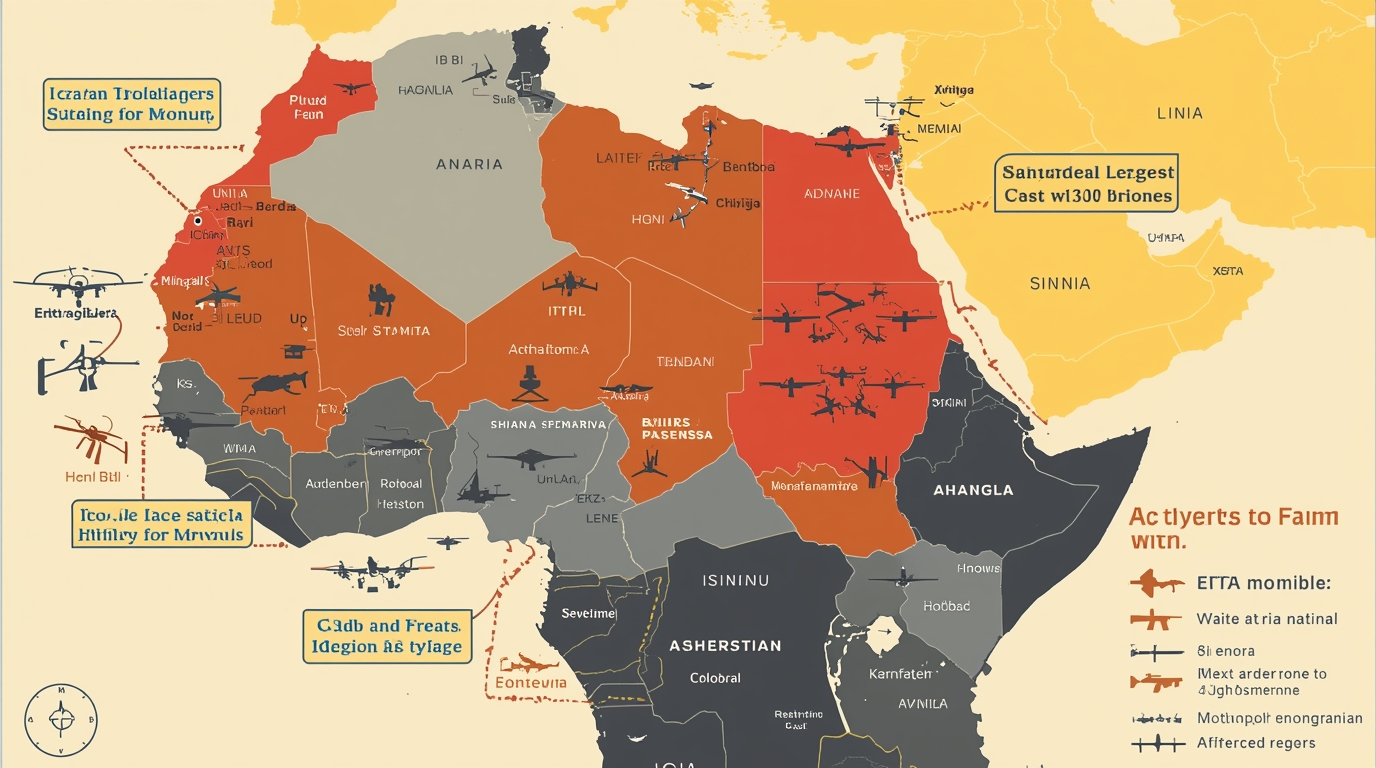
Iran’s involvement in Africa extends beyond mere arms transfers; it represents a strategic expansion of its geopolitical influence, targeting volatile regions such as Sudan, Niger, and parts of the Sahel. Recent intelligence reports reveal a sophisticated pattern of Iranian-supplied drones, small arms, and explosive devices being routed to paramilitary and terrorist factions, notably the Rapid Support Forces (RSF) in Sudan. The use of unmanned aerial vehicles (UAVs) demonstrates Iran’s advancement in deploying cutting-edge military technology in Africa, raising alarms for international security watchers. This pattern is well documented in analyses from the Counter Terrorism Center at West Point, which highlights the trans-regional spread of Iranian proxy influence.
The history of Iran’s arms supply to Africa is not a new phenomenon but has intensified with the continent’s growing strategic importance. Since the early 2000s, Tehran has sought to establish footholds by supplying weapons to groups engaged in conflicts that align with its ideological and geopolitical aims. Most recently, the surge in Sudan’s civil war has underscored Iran’s role as a key arms supplier. Iranian-smuggled weapons include assault rifles, rocket-propelled grenades, and increasingly sophisticated drone technology, which have significantly shifted battlefield dynamics.
How Iran Arming Africa Wars and Terrorist Organizations Fuels Instability
The impact of these arms shipments is multi-layered. They exacerbate ongoing conflicts by empowering groups that often operate outside central government control, complicating peace efforts. The availability of Iranian weapons through clandestine smuggling routes has heightened violence in areas like Darfur and the broader Sahel, where weak governance structures already struggle to ensure security. Furthermore, illicit arms trafficking linked to Iran’s supply chain undermines regional stability, contributing to a cycle of violence and humanitarian crises.
Smuggling Networks Behind Iran Arming Africa Wars and Terrorist Organizations
Understanding the mechanisms behind this arms flow reveals a network supported by covert logistics and complicit intermediaries. Iranian smuggling tactics employ a combination of land, sea, and air routes, exploiting porous borders and unregulated ports. These routes frequently intersect with criminal syndicates, further complicating efforts to trace and halt the weapon supplies. Such complexity is analyzed in depth by institutions including the American Foreign Policy Council, which outlines Iran’s capability to penetrate multiple African states through an interplay of illicit trade and proxy alliances.
International Response to Iran Arming Africa Wars and Terrorist Organizations
African governments face a dilemma in addressing Iranian arms proliferation. While some governments actively resist external interference and cooperate with international monitoring, others are either indifferent or lack the resources to control their borders effectively. This fragmented response allows Iranian-backed groups to persist and expand. Moreover, international bodies such as the United Nations have increased scrutiny and sanctions targeting arms trafficking networks, but enforcement remains challenging in conflict zones. Reports from United Against Nuclear Iran provide critical assessments on how international measures have so far fallen short in curbing Iran’s infiltration.
Experts emphasize that Iran’s arms supply is not solely about military hardware but is part of a larger economic and ideological strategy. By embedding itself within Africa’s unstable conflict ecosystems, Iran aims to forge lasting alliances that advance both regional influence and economic interests, including access to natural resources. This nexus between arms supply and resource leverage creates a layered security challenge for global policymakers.
The nexus of Iran’s geopolitical strategy and African militant groups necessitates increased awareness and coordinated responses. As the continent grapples with these sophisticated conflicts, it is imperative that policymakers and civil society advocate for stronger intelligence-sharing, enhanced border security, and targeted sanctions. Expanding public understanding of this issue is essential to counter the multifaceted threat posed by Iran’s militarized presence in Africa.
For comprehensive insights into Iran’s influence in international terrorism and arms transfers, readers may consult detailed reports on Iran’s state-sponsored terror activities. Enhancing knowledge about this persistent challenge can help drive informed policy debates and support regional stability efforts.
The Global Impact of Iran Arming Africa Wars and Terrorist Organizations
In conclusion, the reality of Iran arming Africa wars and terrorist organizations presents a powerful truth about the intersection of geopolitical ambition and conflict proliferation. The ongoing flow of Iranian weapons enriches militant groups and undermines peace prospects across Africa. Addressing this requires robust international cooperation, vigilant enforcement of sanctions, and sustained attention to the evolving security dynamics shaped by these arms shipments. The consequences of ignoring this threat extend well beyond Africa, influencing broader patterns of global instability and terrorism.


About the Author