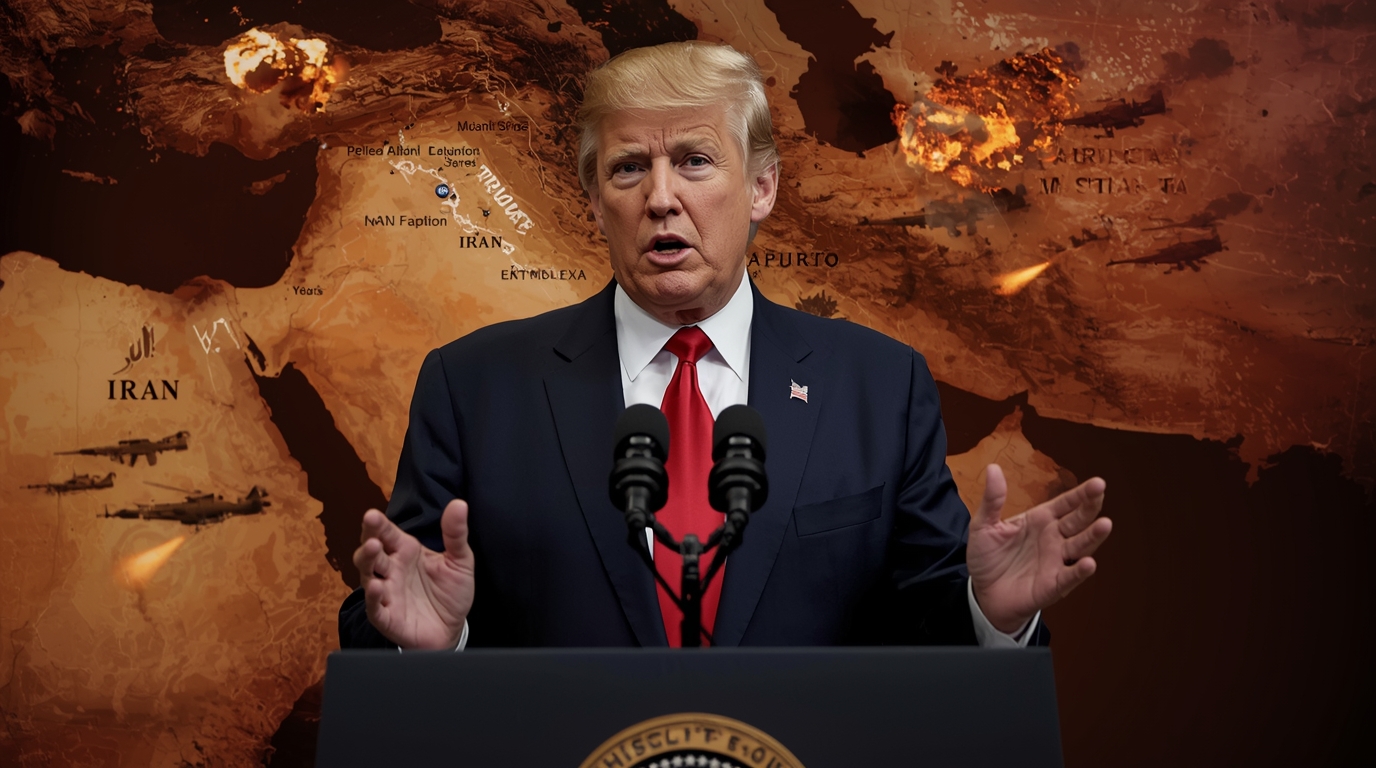
Discover how Trump halting Iran military strikes raises tension with warnings of a large-scale assault. Stay informed on US-Iran negotiations now.

Recent military actions in the Middle East have grabbed the world’s attention. Many Americans are worried about the chance of a bigger conflict. You might be thinking about how these Iran strikes could affect your daily life, like gas prices or national security.
It’s key to understand the current world situation as tensions grow between big powers. This situation is changing fast, and keeping up is your best way to deal with the unknown. We are closely monitoring the latest reports to help you make sense of these complex events.
The threat of a big attack has led to quick talks between world leaders. By looking into the history of these actions, you can see why they’re important to the United States. We aim to keep you in the loop with every important update.
The Latest Developments Regarding Iran Strikes
Understanding the latest events is key to seeing the whole picture. Keeping up with the Iran strikes is vital as the world changes fast.
Timeline of the Recent Military Engagement
We’ve sorted out the main moments for you. This chronological flow makes it clear how things got worse in the last few hours.
- Initial Detection: Early warning systems spotted incoming threats, starting the Iran strikes.
- Defensive Response: Air defense systems were turned on right away to stop the incoming attacks.
- Impact Assessment: Military teams started checking the damage to see how bad it was.
- Strategic Pause: There was a short break to let command centers think about what happened.
Official Statements from Involved Parties
It’s important to hear from both sides to get a full view. Government spokespeople have shared updates on the Iran strikes. They talk about their goals and what they plan to do next.
One side says their actions were to protect their country. The other side calls the Iran strikes an attack that risks peace. Diplomatic channels are open, but the mood is tense.
Contextualizing the Current Geopolitical Tensions
To understand the rising tensions, we must look at the history between the US and Iran. This history shapes every move they make today. Understanding these patterns helps us see more than just headlines.
Historical Background of US-Iran Relations
The relationship between the US and Iran has changed a lot in seventy years. It started with cooperation but turned to deep hostility after big political changes.
Several key events have shaped this strained history:
- The 1953 coup d’état that changed Iran’s government.
- The 1979 Islamic Revolution that changed the region’s power balance.
- Years of proxy wars and sanctions that made both sides more rigid.
These events led to a cycle of distrust that lasts in today’s diplomacy. Historical grievances affect how leaders in Washington and Tehran see each other’s military actions.
The Role of Regional Alliances and US-Israel Attack on Iran Dynamics
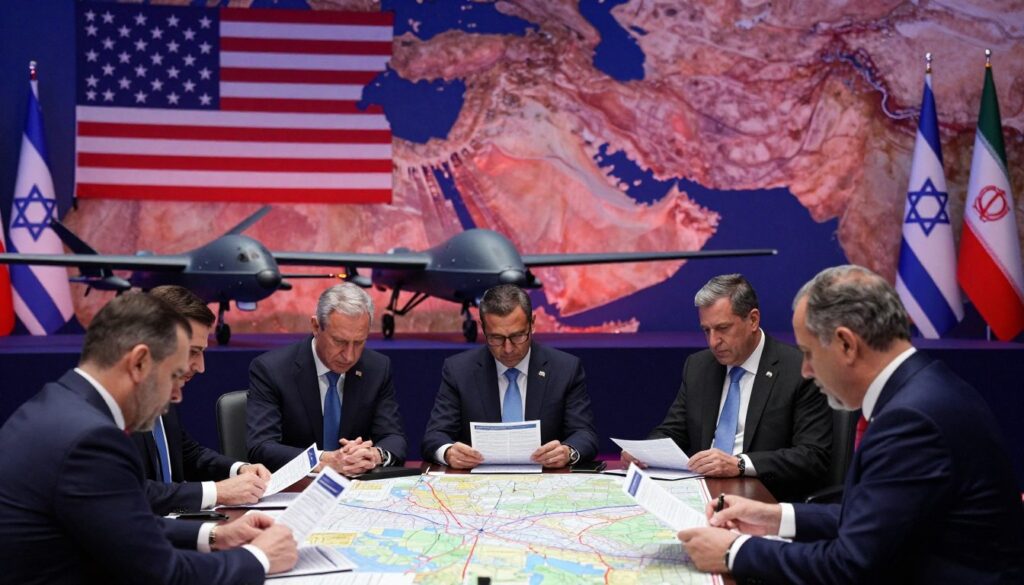
Regional security is complex, with alliances playing a big role. The US has strong alliances in the Middle East, which affects how countries react to threats.
Looking at a possible us-israel attack on iran, we must think about these alliances. Israel sees security as a matter of survival, leading to aggressive military strategies.
The dynamics of a possible us-israel attack on iran are influenced by several things:
- Shared intelligence on nuclear programs and regional power.
- The use of advanced missile defense systems across allied borders.
- Joint military drills to stop aggression from Tehran.
These alliances create a complex web of security commitments that can turn small incidents into big conflicts. By understanding these, we can better see the risks of current military actions.
Immediate Consequences for Global Security
The recent Iran strikes are changing the world of international security. These military actions have caused a big impact that goes beyond the conflict zone. Global leaders are now scrambling to figure out the long-term risks to peace and stability.
Potential for Escalation in the Middle East
Security analysts worry about the rapid escalation in the Middle East. When countries fight directly, the chance of mistakes grows. You need to understand that unintended consequences can happen, pulling in more countries.
The Middle East is very volatile, posing a big threat to global security. If the Iran strikes start a bigger war, it could hurt international trade and alliances. It’s important to keep up with these events to know how they affect you and the world.
Impact on International Diplomatic Channels
Diplomats are working hard to calm things down. The Iran strikes have made everyone rethink treaties and talks between countries. Here’s how these events are affecting international relations:
- Increased urgency in secret talks to stop more fighting.
- Heightened scrutiny of defense deals by global groups.
- Shifting alliances as countries decide what’s best for them and the region.
- Emergency summits to tackle the security gap caused by the conflict.
Diplomatic efforts are the last line of defense against war. Knowing about these efforts shows how complex keeping the peace is in today’s world.
Economic Implications and Market Volatility
Recent Iran strikes have caused big waves in international markets. This has made investors feel uncertain. When global tensions rise, money markets quickly change, affecting prices and how people feel about investing.
Fluctuations in Global Oil Prices
The Middle East is key for oil, and conflicts there affect the world. Iran strikes make traders worry about oil supply and shipping through the Strait of Hormuz.
This worry often leads to higher crude oil prices right away. Even if oil keeps flowing, the fear of it stopping later pushes prices up. This means you might see gas prices go up quickly.
What This Means for Your Personal Finances and Investments
Dealing with market ups and downs needs a calm mind and a focus on your goals. The news about Iran strikes can be a lot, but acting on every news item isn’t wise for your money.
Here are ways to keep your finances safe during shaky times:
- Diversify your assets: Spread your investments to different areas to lessen the effect of oil price changes.
- Review your emergency fund: Make sure you have enough money set aside for unexpected costs if the economy drops.
- Focus on long-term trends: Don’t make big changes to your retirement savings based on daily news.
- Monitor inflation: Higher oil prices can lead to higher costs for living, which might reduce your buying power.
By staying informed and sticking to a disciplined investment strategy, you can shield your savings from the unpredictable world of global politics. Instead of reacting to every market change, focus on what you can control.
Safety Considerations for Citizens and Travelers
Keeping yourself and your family safe during international conflicts starts with good information. When tensions rise, focus on staying aware of your surroundings. Taking steps now can lower your risk and give you peace of mind.
Travel Advisories and Regional Security Updates
Before traveling abroad, check official government sites for the latest on safety. The U.S. Department of State offers real-time updates on travel advisories. These advisories classify countries by safety levels. Keep an eye on these alerts, as they can change quickly.
For more updates, consider these resources:
- Enroll in the Smart Traveler Enrollment Program (STEP) to get direct security messages from the nearest embassy.
- Watch reputable international news for verified reports on border closures or flight cancellations.
- Visit local embassy websites for advice on expatriates or short-term visitors.
How to Stay Informed and Prepared
Being prepared is key in a volatile world. Create a clear communication plan with your family. This way, everyone knows how to reach each other if networks fail. Keep digital and physical copies of important documents like passports and medical records.
To be ready for sudden changes, take these steps:
- Have a basic emergency kit with water, non-perishable food, and a portable power bank.
- Find the nearest embassy or consulate and save their emergency contact info in your phone.
- Be aware of your surroundings and avoid big public gatherings or demonstrations.
- Keep your mobile devices charged and watch local news for immediate safety instructions from authorities.
Expert Analysis on Future Military and Political Trajectories
Have you ever thought about how past actions shape today’s military moves in the Middle East? To guess the future of security in the region, we must study the past. Experts say knowing these patterns helps us guess how governments will act against new threats.
Comparing Past Strategies to Trump Military Strikes Iran Policies
Experts often look back at the maximum pressure campaign when they analyze today’s events. The trump military strikes iran policies mixed economic sanctions with targeted attacks. This strategy tried to change Iran’s behavior by isolating and confronting it directly.
Now, the approach seems more careful. The aim of keeping things in check is the same, but the methods have changed. They now focus on building alliances and using smart, targeted actions. Here’s how these changes look:
- Diplomatic leverage: Moving from solo efforts to team efforts.
- Tactical restraint: Choosing smart, secret operations over big military actions.
- Communication channels: Using secret talks to avoid big problems.
Long-term Outlook for Regional Stability
The future of peace in the region is very uncertain. Many think the past actions, like the trump military strikes iran, influence how countries act today. Long-term peace will depend on finding a balance between showing strength and talking things out.
Keep an eye on how alliances in the region handle their security. Sustainable peace needs more than just showing off military power. It needs a plan that tackles the real reasons for conflict. The Middle East’s future will be shaped by the choices made soon.
Conclusion
The recent military actions involving Iran mark a big change in international relations and your financial planning. You now understand how these events affect global markets and security.
Staying informed is your best way to deal with uncertainty. Market ups and downs often follow these events. It’s important to watch your investments closely. You should also think about how much risk you can handle, as energy prices and trade routes might change.
Keeping an eye on geopolitical stability is key for everyone. You can stay ahead by following news from trusted sources like Reuters or the Associated Press. These outlets give you the information you need to make smart choices during tense times.
Make sure to bookmark this page for the latest updates. You can also sign up for our digital newsletter to get alerts straight to your inbox. Being aware is a powerful tool in our unpredictable world.



About the Author