Discover details of a Texas man arrested for a terroristic threat at TPUSA Women’s Summit and its impact on political event security.

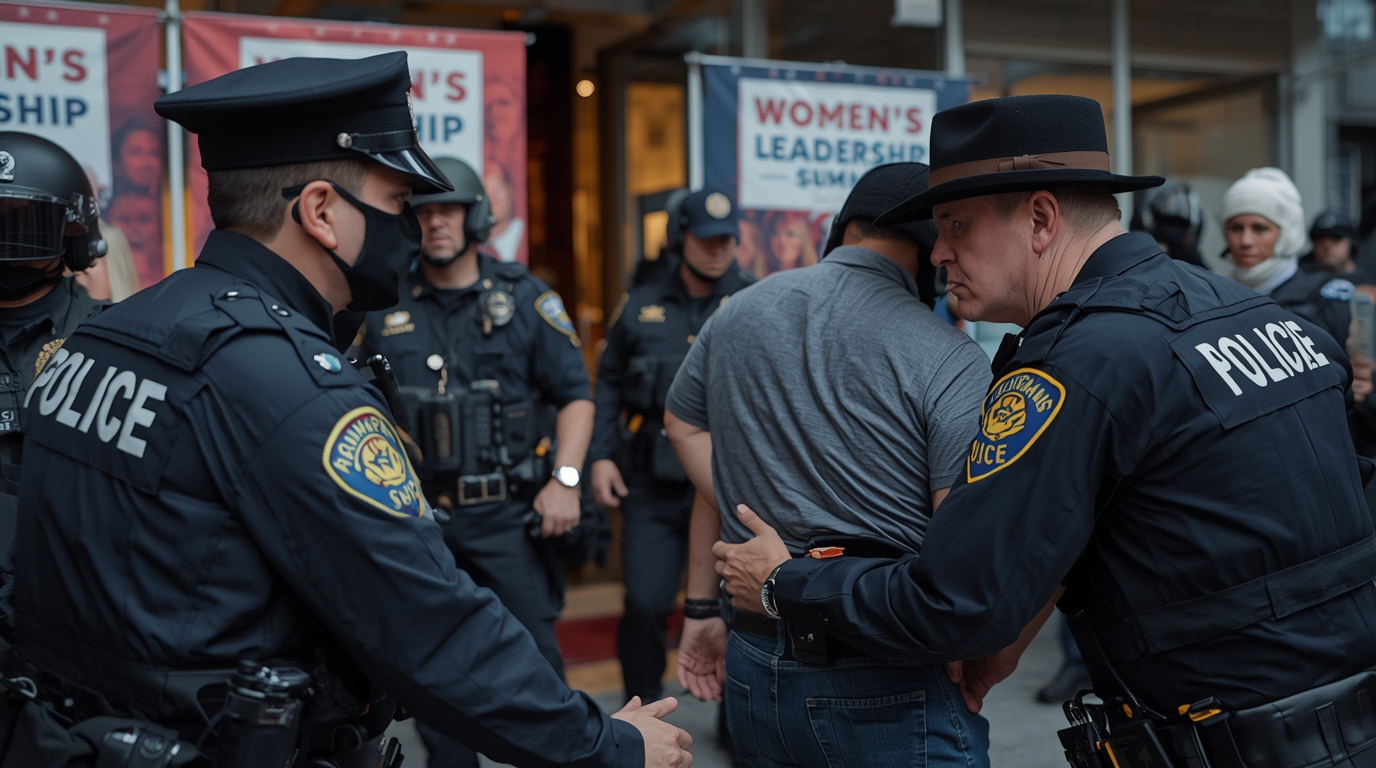
A man was arrested at the Turning Point USA (TPUSA) Women’s Summit in Texas on charges of making a terroristic threat, underscoring the delicate nature of security at high-profile political events. The incident, which transpired during a gathering known for its conservative youth activism, highlights the increasing challenges organizers face in ensuring safety amidst heightened political tensions.
Terroristic Threat at the TPUSA Women’s Summit
TPUSA, a conservative organization that hosts events aimed at young Americans, draws attendees from across the country. The Women’s Summit is one of its key annual events, characterized by speeches, networking, and political discourse. However, a recent incident involving a bold individual arrested for a terroristic threat has cast a shadow over the summit’s usual proceedings. Such events are not only politically charged but also require careful security planning to prevent violence or intimidation.
Legal Consequences of a Terroristic Threat
The suspect was apprehended on-site by law enforcement after allegedly issuing statements perceived as threatening to the safety of attendees. The nature of the threat and the specifics around his motives have not been fully disclosed, but the arrest sends a sobering message about the legal consequences associated with terroristic threats. Legal experts emphasize that making such threats is a serious federal offense with severe penalties, including potential imprisonment and fines.
According to federal law, a “terroristic threat” includes any threat to commit violence that is intended to terrorize or disrupt an event or place. This is covered under 18 U.S. Code § 871, which criminalizes threats against government officials but also informs broader legal interpretations of terror-related threats at public gatherings. Legal penalties for terroristic threats can vary but generally involve stringent consequences, reflecting the gravity of posing danger in politically significant settings. Federal statutes concerning terroristic threats provide a framework for law enforcement responses but also underline the challenges event organizers face in preempting such incidents.
Political Event Security After a Terroristic Threat
Political event security encompasses a broad range of strategies, from screening attendees to coordinating with local authorities and federal agencies. The increasing prevalence of politically motivated threats has led to enhanced protocols and more intensive planning. Experts recommend comprehensive measures, including the use of surveillance, trained security personnel, and real-time communication systems to respond swiftly to potential threats. A detailed guide to public safety at political gatherings emphasizes that security planning must be proactive and adaptive to evolving risks. Resources on public safety planning for political events detail best practices and lessons learned from previous incidents.
The case at the TPUSA Women’s Summit is an example that highlights the intersection of political activism and security concerns. Organizers must balance creating an open atmosphere for speech and participation with stringent safety measures. The arrest also serves as a reminder of the legal consequences of terroristic threats, reinforcing the importance of accountability for individuals who attempt to intimidate or harm through such actions.
How Law Enforcement Handles a Terroristic Threat
Meanwhile, the broader political context around such summits involves high-profile figures and contentious issues, occasionally attracting individuals who seek to disrupt the event. Given this environment, law enforcement agencies are increasingly vigilant in monitoring threats and ensuring rapid responses. The presence of cameras and recording devices often plays a crucial role in documenting incidents and supporting prosecutions. For instance, the role of courtroom cameras in high-profile cases reveals how visual evidence can shape the outcome of legal proceedings in politically sensitive matters. The use of courtroom cameras in high-profile political cases exemplifies this connection between security measures and legal accountability.
Why a Terroristic Threat Is Taken Seriously
Legal ramifications for making terroristic threats extend beyond immediate arrests. Convictions can carry lasting impacts, including difficulty finding employment and social stigmatization. The Republican Policy Committee’s detailed report on state terrorism threat laws explores how various jurisdictions handle these offenses and the range of penalties involved, emphasizing the necessity of clear and enforceable statutes. State terrorism threat laws and penalties illustrate the diversity of legal frameworks addressing such crimes.
This incident underscores a critical reality for organizers of political events: the imperative of robust security and legal preparedness. As political gatherings remain a vital space for democratic expression, the growing risks associated with disruptive threats demand a concerted effort from law enforcement, policymakers, and event planners alike to safeguard participants and uphold the rule of law.
The TPUSA Women’s Summit arrest serves as a cautionary tale about the seriousness with which terroristic threats are treated in today’s political climate. Enhancing security protocols and understanding the legal consequences associated with such threats remain essential for the sustainability and safety of political events nationwide.

About the Author