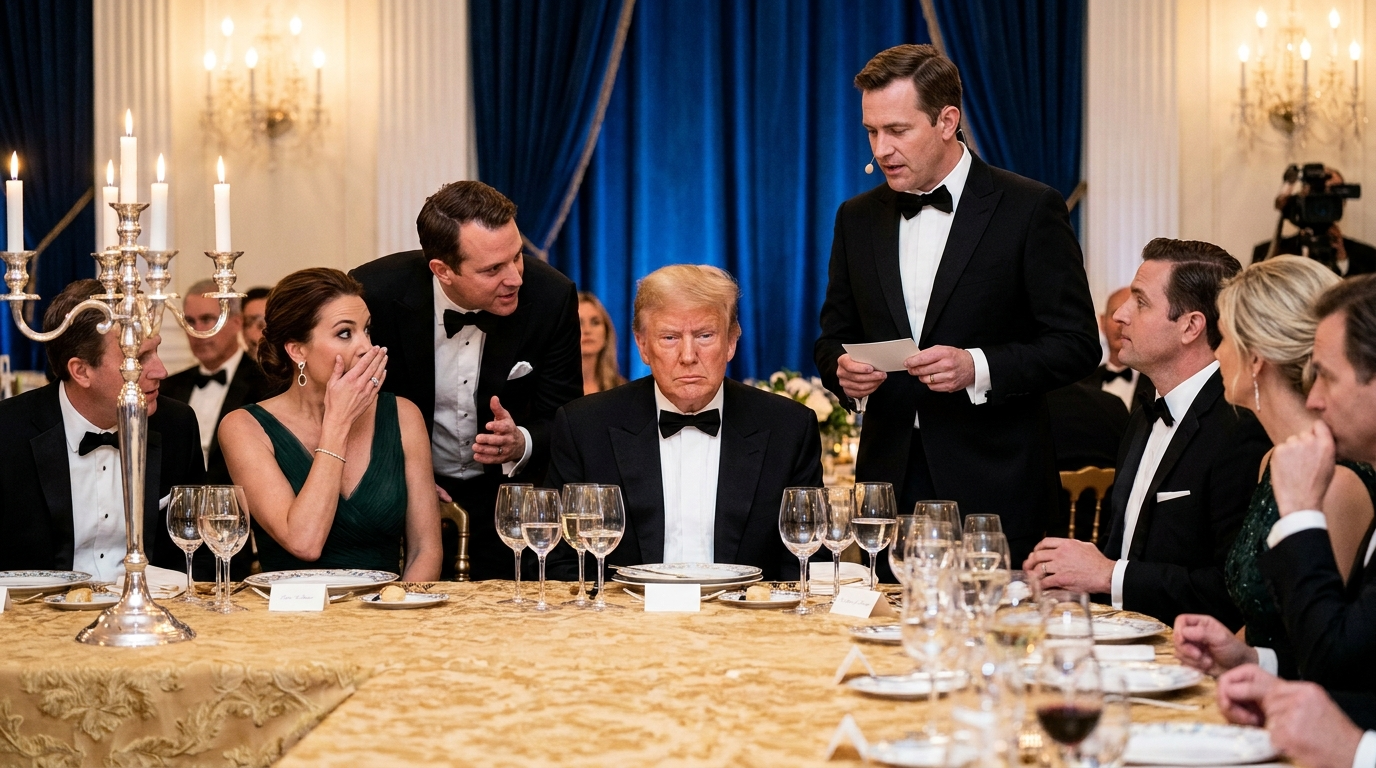
Explore the controversy behind Jimmy Kimmel suspension as Trump demands action amid a heated political media clash. Get the full story now.

The Jimmy Kimmel suspension has ignited a fierce debate bridging the worlds of politics, media freedoms, and corporate governance. This high-profile suspension followed incendiary comments made by Kimmel on his late-night show, which President Trump publicly decried, pressuring Disney-ABC to act swiftly. The media and political arenas now grapple with the implications of this move on free speech and corporate influence in political discourse.
Jimmy Kimmel Suspension and Trump’s Demand
Kimmel’s remarks, addressing Trump supporters and politics with sharp satire during his broadcasts, quickly drew backlash from the White House. According to reports, including analysis from Fox News, the comments were seen as crossing a line that prompted Disney-ABC executives to suspend the host. This intervention underscored the delicate balance corporations face when their content intersects with politically charged commentary.
Jimmy Kimmel Suspension: What Led to the Controversy
The context of the Jimmy Kimmel suspension extends to the broader cultural clash between conservative political figures and mainstream media outlets who often critique them. Disney, as a major entertainment titan, has navigated previous controversies involving political speech and public figure critiques, including high-profile incidents during election cycles and social movements. Industry insiders note that such corporate decisions are increasingly scrutinized as either censorship or necessary brand preservation.
Amid the suspension, critics and supporters alike have parsed through the historical relationship between Kimmel’s programming and Disney’s corporate policy. Past Disney-ABC responses to contentious political moments have hovered between tolerance and action, revealing a pattern of defensive maneuvering to maintain public image and shareholder confidence. This makes the current suspension a significant case study in how political pressure can translate into media content control.
Expert opinions highlight that the Jimmy Kimmel suspension is more than an isolated punishment—it reflects growing tensions over the media’s role in political advocacy and satire. Media analyst Dr. Eleanor Reid notes, “This is emblematic of a wider democratic tension: where does free speech end and corporate responsibility begin? Disney’s move exemplifies how media entities are forced into position as gatekeepers amidst polarized audiences.”
Public Reaction to the Jimmy Kimmel Suspension
Audience reaction has been sharply divided. Social media platforms buzzed with heated discourse, some praising Disney’s decision as necessary moderation, while others condemned it as suppression of dissenting voices. The suspension has spurred discussions on whether late-night political satire faces unprecedented censorship pressures, influencing ratings and viewer loyalty unpredictably.
The timing of the suspension also connects to ongoing political pressures on media companies from the Trump administration, which has openly challenged several broadcasters and platforms it perceives as hostile. This confrontation echoes broader debates about the First Amendment rights in private corporations’ spaces and the power dynamic between the government and influential media conglomerates.
Readers interested in the intricacies of political tensions and media freedom controversies can explore related political events such as the car bomb incident in Northern Ireland to understand how political unrest often finds a parallel intensity in media clashes worldwide.
In examining the details of the suspension, it is useful to reference comprehensive documentation of the incident and its ramifications, as detailed on sources like Wikipedia’s page on the Suspension of Jimmy Kimmel Live!. This provides clarity on timelines and official statements that chart the unfolding consequences of Kimmel’s comments and Disney’s response.
Furthermore, behind-the-scenes insights from industry observers, as published by Inside the Magic, reveal Disney’s internal deliberations and the complex interplay between corporate policy, political pressures, and audience expectations.
The Jimmy Kimmel suspension embodies a flashpoint in the wider dialogue on how entertainment media negotiate political content in an era of deep societal divisions. It raises pressing questions about creativity under corporate governance and the limits of satire when confronted with authoritative political demands. As media companies like Disney balance commercial interests with cultural influence, the outcome of this clash will likely inform future protocols on content moderation and political expression in broadcast media.
The broader implications for media freedom and political discourse suggest that such suspensions are not merely punitive but are symbolic of the evolving power structures within the entertainment industry. How companies respond may redefine the permissible boundaries for political satire and commentary, influencing both the media landscape and democratic engagement in the years to come.

About the Author