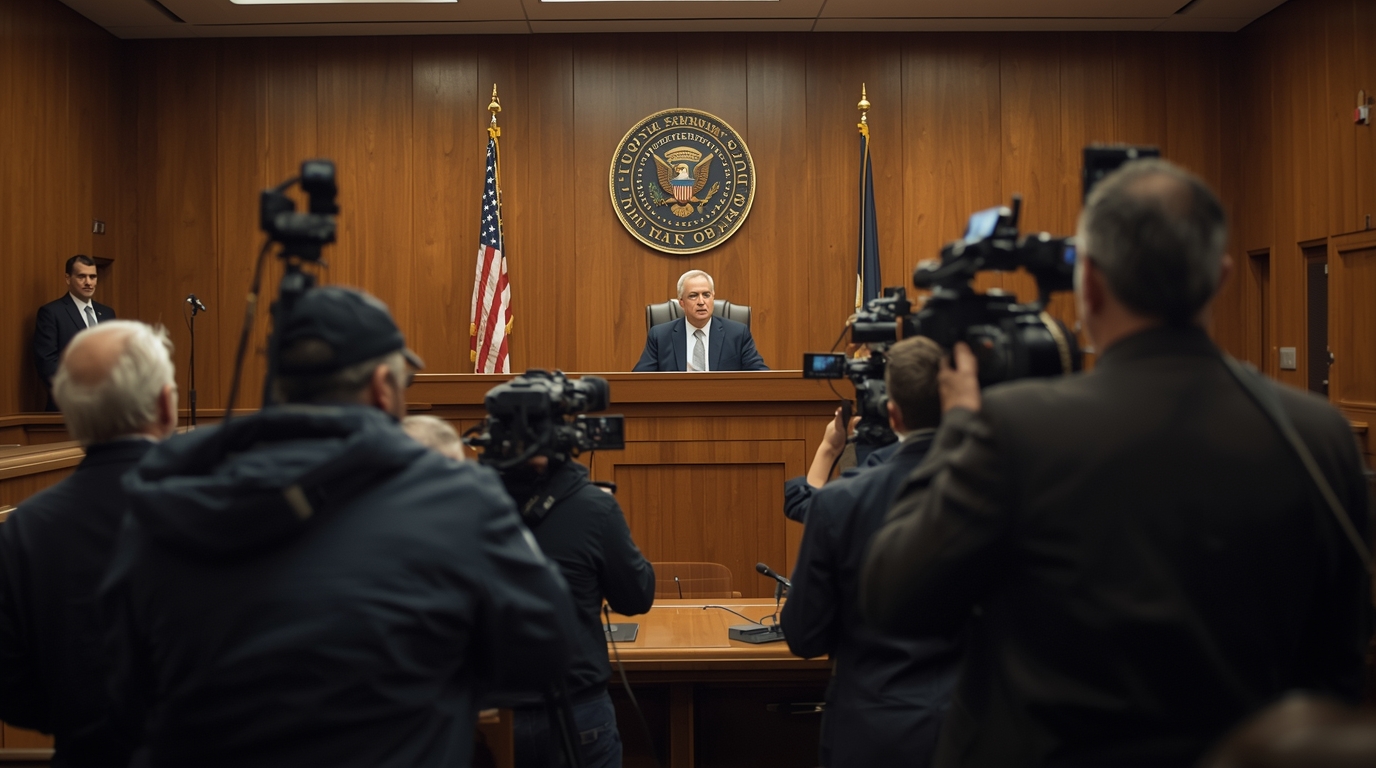
Discover how the judge’s decision enables full courtroom cameras in the Charlie Kirk murder case, offering live trial updates and media rights.
The Charlie Kirk murder case has taken a significant turn as a judge granted full access to courtroom cameras, marking a pivotal moment in judicial transparency. This decision allows for real-time public and media scrutiny, enhancing the openness of a case that has garnered nationwide attention.

Table of Contents
Charlie Kirk Murder Case Sparks Transparency Debate
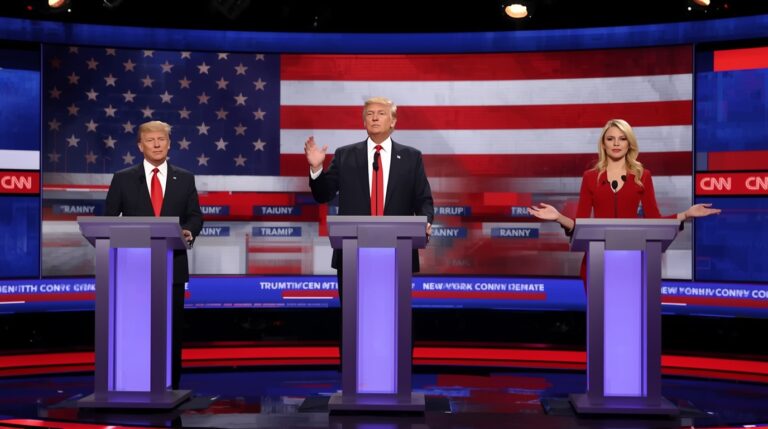
The ruling follows a contentious debate over the presence of cameras during the trial, highlighting ongoing tensions around media influence and courtroom fairness. The judge’s approval reflects a growing trend toward transparency, but it also raises concerns about maintaining an impartial jury and ensuring that media coverage does not prejudice proceedings.
Evidence Presented in the Charlie Kirk Murder Case
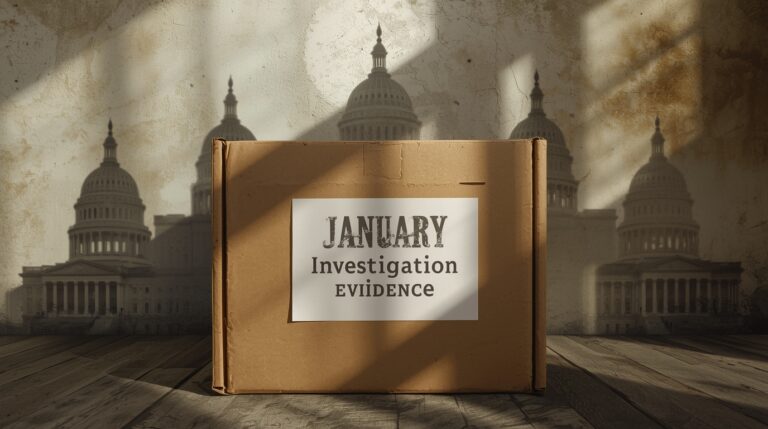
The accused in the Charlie Kirk murder case faces a series of serious charges that include first-degree murder and evidence tampering. Among the critical pieces of evidence are forensic reports and a handwritten note found at the scene, both of which carry significant weight in the prosecution’s argument. Such elements have added layers of complexity to the trial, emphasizing the need for comprehensive coverage to inform public understanding.
Defense Arguments in the Charlie Kirk Murder Case
Defense attorneys have voiced strong objections to the presence of cameras, arguing that constant media exposure could unfairly influence both jury members and witness testimonies. They contend this could hinder their client’s right to a fair trial, pointing to studies and precedents where media saturation arguably tilted outcomes. The defense’s position is supported by similar cases where courtroom cameras were restricted to protect trial integrity, underscoring the legal balancing act between openness and impartiality.
Prosecutors Push Transparency in the Charlie Kirk Murder Case
On the other side, prosecutors advocate for transparency, asserting that public access via courtroom cameras demystifies the justice process and promotes accountability. They argue that such visibility reduces misinformation and ensures that the judicial system remains answerable to the public it serves. This perspective aligns with broader societal demands for openness in legal proceedings, particularly in high-profile cases.
Media Impact on the Charlie Kirk Murder Case
The implementation of courtroom cameras in the Charlie Kirk murder case invites comparisons to similar high-profile trials, where media exposure played a crucial role in shaping public perception and trial dynamics. For instance, the live broadcast of other murder trials has sometimes sparked debate about the impact on witness candor and jury deliberations, highlighting a delicate balance.
Moreover, the integration of digital media into courtroom transparency efforts reflects evolving practices in judicial communication. Real-time judicial feeds and live-streaming capabilities provide unprecedented access while simultaneously inviting scrutiny on ethical and procedural standards. This advancement triggers ongoing discussions about the legal frameworks that govern such technologies in cases of national interest.
The geographical context of the murder, situated amid broader discussions about public safety and community impact, also feeds into the coverage. The case’s developments resonate with incidents such as the Barcelona migrant stabbing, which similarly drew attention to local crime dynamics and media portrayal of violence within communities. For readers seeking broader context, an article on the Barcelona migrant stabbing offers further insights that complement the ongoing narrative.
Notably, detailed reporting from sources such as Court TV highlights the judge’s formal ruling on courtroom camera usage, providing the legal rationale behind the decision and its anticipated effects on trial proceedings. This source elucidates the judge’s emphasis on balancing transparency with courtroom decorum, a key factor in the ruling’s framing. Readers can consult Court TV’s coverage of the courtroom camera ruling for an in-depth understanding.
Defense perspectives are further explored in reports from WDRB, which detail claims that courtroom cameras unfairly tilt the case, potentially influencing jurors and public opinion. These reports shed light on the legal strategies employed by defense teams as they navigate the media-saturated environment. Access to these arguments can be found in the article titled Defense team in Charlie Kirk murder case says courtroom cameras are unfairly tilting case.
The matter of media influence is also underscored by attorneys pushing to ban cameras outright, citing risks to trial fairness and witness privacy. Such legal maneuvers invite reflections on how digital media intersects with judicial practices. Details about these efforts are illuminated in local reports like the one provided by KUTV, which discusses the complexity surrounding the camera ban debate. More information is available in Attorneys for man accused of killing Charlie Kirk push to ban cameras in courtroom.
The inclusion of courtroom cameras in this case not only serves as a mechanism for transparency but also contributes to discussions about evolving judicial standards and the role of media in shaping public narratives. As the Charlie Kirk murder case proceeds, ongoing media coverage intertwined with legal arguments will likely influence broader conversations about justice and visibility.
This trend toward openness, however, must be weighed against the potential pitfalls of media saturation, including risks to jury impartiality and trial decorum. Careful judicial management will be essential to maintaining balance and ensuring a fair process for all parties.
Future Implications of the Charlie Kirk Murder Case
In sum, the judge’s decision to allow full courtroom cameras in the Charlie Kirk murder case sets a precedent for future trials involving significant public interest. It opens avenues for deeper public engagement while simultaneously highlighting the complex interplay between media, justice, and transparency.


About the Author