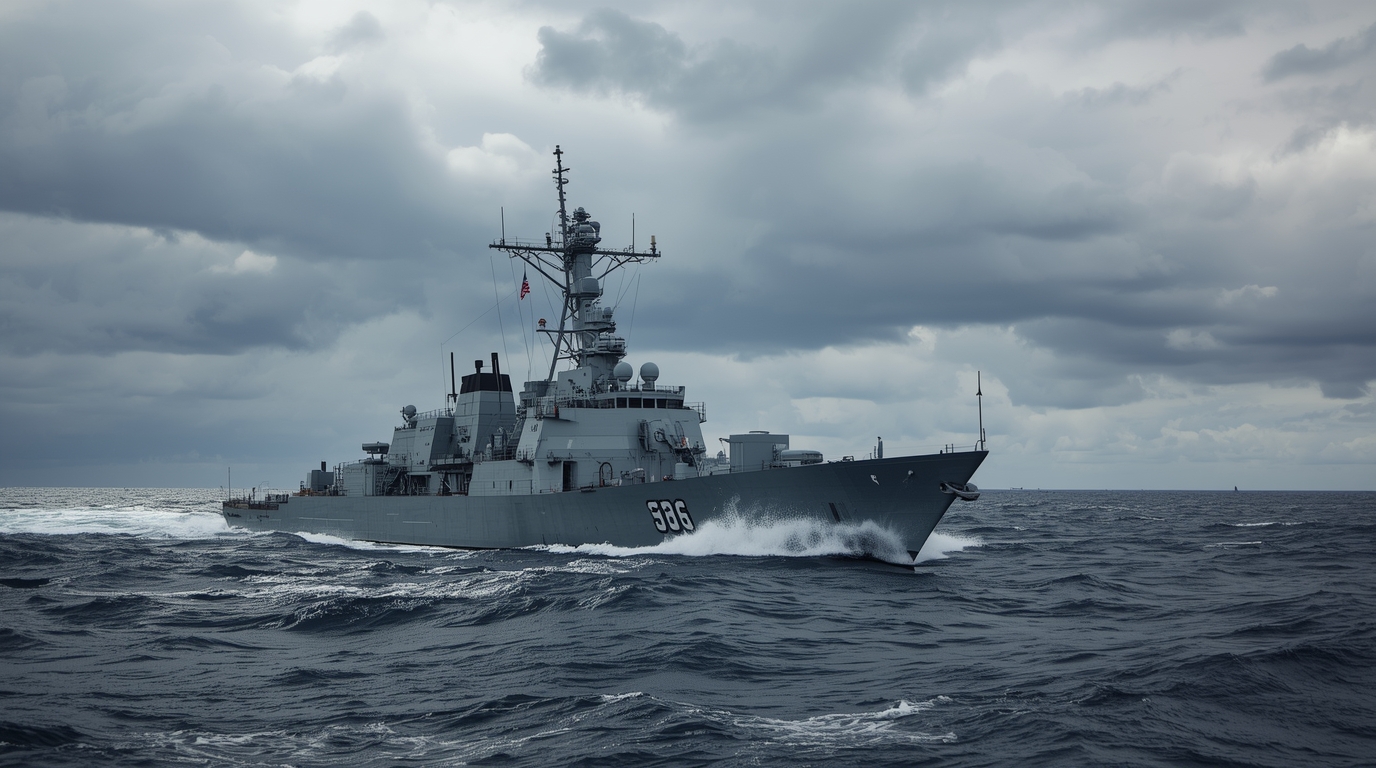
Explore the Royal Navy crisis as HMS Iron Duke retirement deepens naval defense decline. Discover the impact on frigates and future security.

The Royal Navy crisis deepened sharply in 2026 as the retirement of HMS Iron Duke, one of the fleet’s stalwart Type 23 frigates, exposed significant vulnerabilities in the United Kingdom’s maritime defense capabilities. This flagship vessel’s decommissioning highlights growing challenges for Royal Navy frigates, underscoring broader naval defense issues in the UK at a time when geopolitical tensions in key regions demand heightened readiness.
Royal Navy Crisis and HMS Iron Duke Decommissioning
HMS Iron Duke’s exit from service after decades of operations embodies a pivotal moment for the Royal Navy. Though initially scheduled for a costly refit to extend her operational life, these upgrades were ultimately scrapped due to budgetary constraints and shifting priorities. This decision left a critical gap in the Royal Navy frigate fleet, prompting concerns from defense analysts and military strategists about the resulting impact on fleet size and regional security posture. According to defense journal reports, the cancellation of modernization efforts on HMS Iron Duke was driven primarily by funding deficits, reflecting broader constraints on the UK defense budget.
Strategic Impact of the Royal Navy Crisis
The strategic implications of HMS Iron Duke’s retirement extend beyond the immediate reduction in hull numbers. It worsens the already strained Royal Navy crisis characterized by delays in shipbuilding programs and shortages of trained personnel. The Type 23 frigates have long been a mainstay of the UK’s anti-submarine warfare and general-purpose fleet, and losing one without a timely successor undermines Britain’s capacity to project maritime power effectively. This is particularly concerning in light of emerging threats in contested regions such as the Persian Gulf and North Atlantic.
Royal Navy Crisis and Delays in New Frigates
Furthermore, HMS Iron Duke’s departure signals a worrying trend in naval defense issues in the UK, where aging platforms face decommissioning without immediate adequate replacements. The ongoing development of Type 26 and Type 31 frigates has suffered schedule setbacks and technical challenges, delaying their full operational deployment. This gap forces the Royal Navy to rely on fewer ships with increased operational burdens, raising questions about the sustainability of current maritime defense strategies and the robustness of defense procurement policies.
A historical comparison only accentuates the urgency of the crisis. Britain once commanded the world’s largest and most advanced navy, setting standards for global maritime security. Today, the Royal Navy is grappling with fleet shortages reminiscent of post-Cold War downsizing but complicated by modern threats such as cyber warfare and hybrid maritime conflicts. Experts argue that without decisive government intervention and adequate funding, the Royal Navy risks losing critical influence on global security and deterrence.
Global Context of the Royal Navy Crisis
Contextualizing this within the wider geopolitical landscape, the UK must contend with assertive naval powers expanding their fleets, including Russia’s renewed Arctic ambitions and China’s expanding blue-water capabilities. In this environment, the Royal Navy crisis underscores the urgent need for modernization, enhanced training programs, and a strategic reassessment of defense priorities to maintain the UK’s role as a leading maritime power.
Efforts to address these challenges have included calls for increased defense spending and accelerated shipbuilding projects. However, political debates over budget allocations and competing national priorities continue to complicate swift resolutions. The retirement of HMS Iron Duke serves as a tangible symbol of the stakes involved, illustrating how budgetary decisions directly affect operational readiness and global posture.
The Royal Navy crisis also reflects in operational episodes; delays in deploying newer frigates such as HMS Dragon compound concerns about capability gaps. Tactical readiness hinges not only on hull numbers but also on crew proficiency and maintenance support, areas that have faced setbacks amid budget cuts and recruitment shortfalls. Observers suggest that strategic partnerships and alliances might partially offset these difficulties but cannot substitute for a robust national fleet.
This situation invites comparisons to other navies that have successfully navigated modernization while maintaining fleet readiness. Nations like the United States continue to prioritize naval power as a cornerstone of their defense policy, investing heavily in technology and shipbuilding programs. The UK’s current path risks eroding decades of maritime defense expertise and weakening its influence in international maritime affairs.
For readers seeking deeper insights into regional naval dynamics, a report on the sinking of Iranian boats in the Strait of Hormuz illustrates the volatile environment the Royal Navy operates within, emphasizing the importance of capable frigate forces for monitoring and securing strategic waterways. Such incidents reaffirm the critical nature of robust naval presence and the consequences of fleet insufficiencies: sinking of Iranian boats in Strait of Hormuz.
The future of the Royal Navy depends heavily on strategic decisions made in the coming months and years. Analysts stress that comprehensive modernization programs, including the timely commissioning of new frigates and investment in advanced systems, are vital. The Royal Navy must evolve to address not only traditional naval warfare but also emerging domains like cyber defense and unmanned maritime systems.
Efforts to communicate these needs to policymakers and the public have gained momentum. For instance, discussions around integrating cutting-edge technology with legacy platforms are ongoing, aiming to bridge capability gaps until new vessels become operational. Continued engagement with defense research institutions and think tanks can provide necessary data and projections to support these initiatives.
As the UK navigates these complex challenges, understanding the scale and nuances of the Royal Navy crisis is crucial. For more detailed information on the ship’s operational history and the contextual reasons behind its retirement, official updates provide valuable insights: HMS Iron Duke’s planned return to sea after refit.
Future Outlook for the Royal Navy Crisis
In sum, the retirement of HMS Iron Duke is more than a single ship leaving the fleet; it symbolizes a tipping point in the Royal Navy crisis. The interplay of budget constraints, fleet readiness, and geopolitical pressures demands decisive action to avoid undermining Britain’s naval defense capabilities. As defense policies evolve, public awareness and informed debate on maritime security will be essential in shaping the future trajectory of the Royal Navy.
For continued coverage of the UK’s naval capacity and its impact on national security, readers may explore analyses of related defense policy shifts and security challenges in articles such as insights on Britain’s longest-serving Royal Navy warship’s retirement. This wider perspective helps contextualize ongoing naval transformations within broader strategic imperatives.

About the Author