Discover how US forces sank Iranian boats threatening cargo in the Strait of Hormuz and Trump's bold political warning to Iran.

The US sinking Iranian boats in the Strait of Hormuz marks a critical escalation in the volatile maritime tensions that have long defined this strategically crucial waterway. This recent incident not only underscores the ongoing naval confrontations between Washington and Tehran but also highlights the broader geopolitical stakes that ripple across global oil markets and regional security frameworks.
Table of Contents
Why the US Sinking Iranian Boats Matters Globally
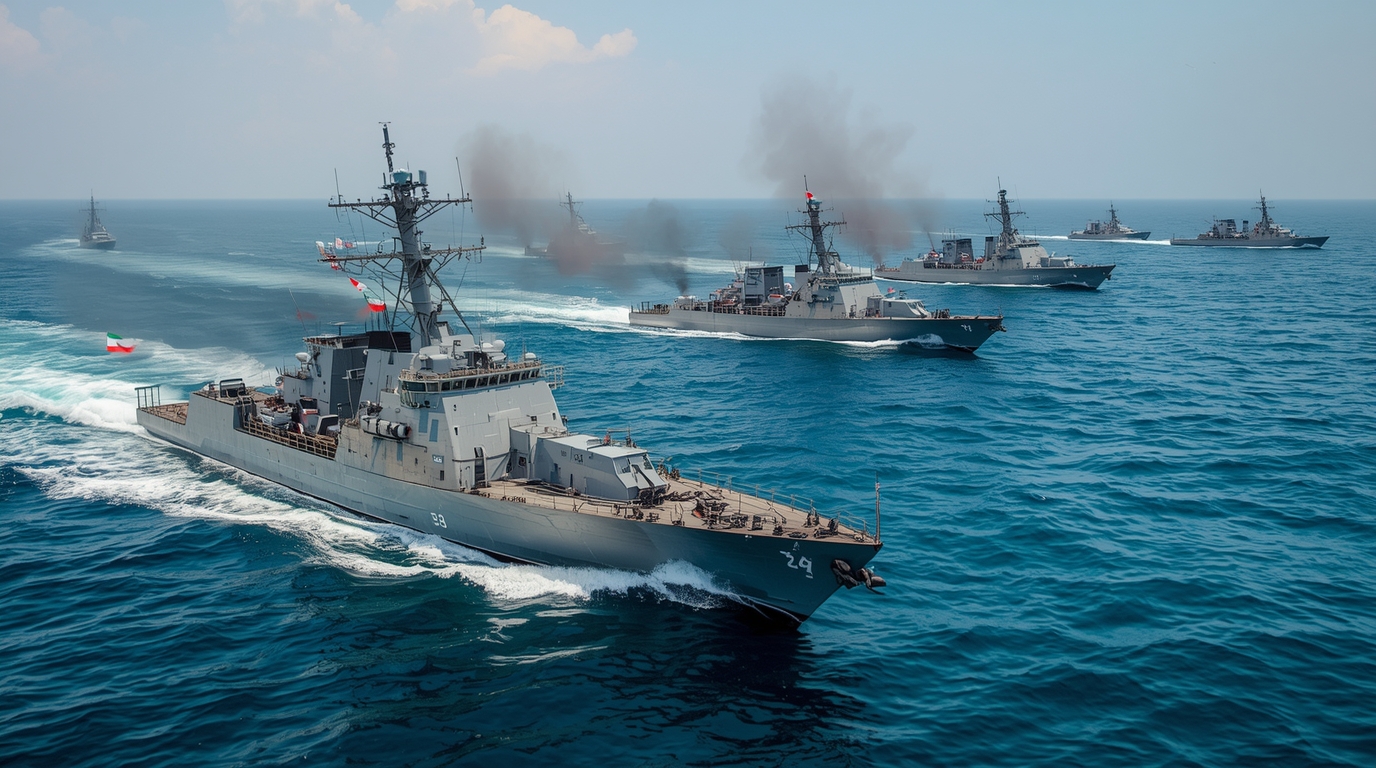
The Strait of Hormuz, a narrow chokepoint linking the Persian Gulf with the Arabian Sea, sees approximately one-fifth of the world’s petroleum transit daily, making any military activity there inherently consequential. The US operation involved deliberate targeting of Iranian vessels accused of aggressive posturing and harassment tactics against American naval assets. Such maneuvers have been part of a pattern of provocations that culminated in the sinking, signaling a shift from deterrence to direct action.
US Sinking Iranian Boats: Military Strategy and Response
The US military response, according to official sources, was precise and intended to send a clear message against continued Iranian provocations. This approach aligns with a broader tactical doctrine increasingly evident since Operation Epic Fury commenced post-2026, emphasizing rapid, decisive naval engagements to maintain freedom of navigation in international waters. The striking of Iranian boats here departs from earlier confrontational but less severe responses, implying rising thresholds for US tolerance toward Iranian maritime assertiveness. For an in-depth visual breakdown of the tactical execution, Fox News provides detailed footage and analysis.
Political Impact of the US Sinking Iranian Boats Incident
Politically, the incident has intensified scrutiny on former President Trump’s strategies, whose administration laid the groundwork for aggressive maritime policies against Iran. Trump’s rhetoric and maneuvering regarding Iran have often emphasized strength and punitive measures, reflecting a political strategy that sought to reshape regional dynamics through demonstration of military resolve. However, analysts warn that this posture risks exacerbating regional tensions without securing long-term stability. The incident also drew sharp criticism and debate within Washington, reflecting the contentious nature of US policy toward Iran. For background on associated political dynamics, including Trump’s approaches, this article provides related geopolitical insights.
Global Reactions to US Sinking Iranian Boats
Internationally, responses have been mixed. Some allied nations express concern over potential disruptions to the vital global oil supply chain, while others call for de-escalation and diplomacy to prevent further destabilization. The economic ramifications are notable, as markets reacted swiftly to news of the conflict, raising fears over oil price volatility and trade interruptions. Analysts emphasize that ongoing confrontations in the Strait could have cascading effects beyond the Middle East, particularly for energy-dependent economies worldwide. In response to these dynamics, diplomatic efforts have been accelerated, aimed at mitigating risks and fostering dialogue, as reported by CBS News coverage of recent peace proposals and war threats outlines.
Iranian officials have condemned the US action as an act of aggression and warned of potential retaliatory measures. Tehran’s messaging emphasizes sovereignty and resistance, which compounds fears of a larger regional conflict. This development demands close monitoring, especially regarding potential responses that could escalate naval confrontations or influence allied state behaviors in the area. Security experts suggest that continued incidents risk undermining years of fragile stability maintained through a balance of power and deterrence strategy in the Gulf.
Future Risks After US Sinking Iranian Boats
Looking forward, the sinking of Iranian boats by US forces in the Strait of Hormuz sets a precedent for future rules of engagement and regional security arrangements. It raises urgent questions about the long-term sustainability of current US policies and the need for multilateral diplomatic frameworks to prevent inadvertent escalation. The incident also highlights the importance of understanding maritime security in geopolitical terms, as control over the Strait remains a flashpoint for national interests and global economic security.
This event situates itself within a broader narrative of US-Iranian tensions, where each naval encounter carries amplified significance. As the international community watches closely, the pressing challenge will be balancing deterrence with dialogue, military readiness with diplomatic outreach. Given the strategic value of the Strait and its role in global commerce, the US sinking of Iranian boats is not just a moment in a maritime dispute but a bellwether for the evolving nature of international relations in a contested region.

About the Author