Discover how EU sanctions on Iran impact the Strait of Hormuz demining mission and shape global international relations today.

The European Union’s recent sanctions on Iran mark a bold strategic shift, particularly in the context of the vital Strait of Hormuz and the EU’s new Hormuz demining mission. These moves highlight an increasingly assertive EU stance aimed at safeguarding maritime security and energy routes, while addressing broader geopolitical and human rights concerns.
The EU sanctions on Iran go far beyond routine diplomatic posturing, reflecting coordinated measures that target Iran’s economic activities and human rights violations. This comprehensive sanctions regime aims to curtail Iran’s destabilizing regional behaviors while pressuring Tehran to adhere to international norms. Among the sanctions are restrictions that impact trade and restrict economic engagements, designed to dovetail with the EU’s naval and diplomatic efforts in the Strait of Hormuz, a critical chokepoint through which a significant portion of the world’s oil supply passes.
Table of Contents
EU sanctions on Iran and the Hormuz Demining Mission
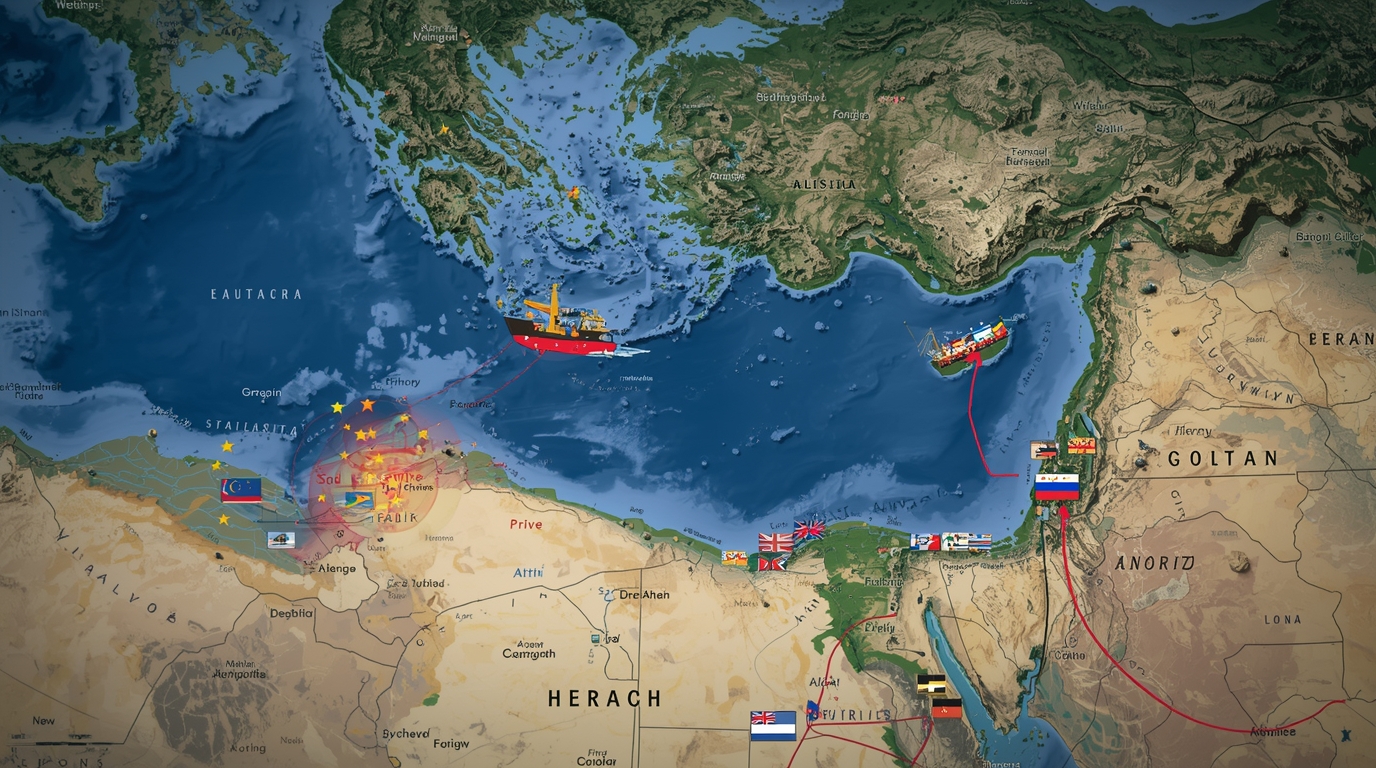
The Strait of Hormuz’s strategic importance cannot be overstated. Approximately 20% of global petroleum, including crucial EU energy imports, traverses this narrow waterway, making it a geopolitical hotspot. Iran’s previous mining activities and threats to close the strait have raised international alarm, prompting coordinated responses. The EU’s recent announcement to contribute to a multinational mission focused on demining the strait is a direct response to these security challenges, aiming to ensure safe passage for commercial and energy shipments.
This move also underscores the EU’s effort to unify its foreign policy tools under a singular strategic vision. With sanctions targeting key Iranian sectors and personnel—often linked to the country’s nuclear and military ambitions—the EU seeks to pressure Tehran economically and politically. The inclusion of human rights issues, addressed under Iran human rights sanctions, adds a moral dimension to the EU’s policy framework, reinforcing a broader commitment to international norms beyond commercial interests.
How EU sanctions on Iran Affect Global Security
The United States remains a significant actor in this geopolitical equation. American sanctions on Iran, while coordinated with European efforts, sometimes differ in scope and enforcement. The tightening of EU sanctions and the launch of the demining initiative demonstrate a shared transatlantic concern over Iran’s regional conduct and its impact on international maritime security. For deeper insights on Iran sanctions programs and their operational nuances, the U.S. Treasury’s Office of Foreign Assets Control provides detailed updates at the official Iran sanctions information page.
The complexity of the Hormuz demining mission requires a blend of military expertise and diplomatic coordination. According to a policy analysis by The Washington Institute, challenges include ensuring freedom of navigation against a backdrop of heightened tensions and the potential for rapid escalations. The EU’s engagement here is both a statement of capability and resolve, symbolizing how sanctions are increasingly integrated with operational strategies to stabilize high-risk regions. Experts highlight the potential for such missions to set precedents in collective security efforts where traditional diplomatic pressure encounters limitations.
Economic Impact of EU Sanctions on Iran
This coordinated strategy also impacts international trade dynamics. Iran’s role as a significant player in energy markets means sanctions and physical security measures influence pricing and supply chain stability. The EU sanctions on Iran, therefore, have ripple effects that extend well beyond European borders, drawing in global diplomatic responses and necessitating careful navigation of international relations.
For readers interested in the broader contours of European diplomacy concerning Iran, understanding the EU’s evolving foreign policy framework is essential. The EU’s nuanced approach to integrating sanctions with active security measures reveals a new chapter in how the bloc navigates complex international challenges. Insights into this evolving policy can be found in related analyses available through EU foreign policy discussions, which provide context on how these sanctions sit within larger geopolitical strategies.
EU Sanctions on Iran and the Nuclear Deal
Further, the Iran nuclear deal remains a pivotal context for these sanctions and security initiatives. The international effort to curb Iran’s nuclear ambitions is interwoven with sanctions enforcement and regional security operations. A comprehensive understanding can be drawn from expert examinations found at resources dedicated to the EU sanctions against Iran program, which aggregates data and analysis on sanction targets and their outcomes.
Future Outlook for EU Sanctions on Iran
As the EU positions itself at the intersection of economic pressure and maritime security, the implications for global diplomacy are profound. The unified response to Iran’s provocations in the Strait of Hormuz and beyond exemplifies a new model for addressing international conflict: one that blends sanctions, operational missions, and multilateral cooperation in pursuit of stability and rule-based order.
This evolving strategy raises crucial questions about future EU-Iran relations and the broader international community’s role in securing global trade routes amid geopolitical rivalries. Such developments underscore the need for ongoing engagement, analysis, and adaptation as international actors navigate a complex and shifting landscape. Readers are encouraged to follow ongoing updates and explore the multifaceted nature of maritime security and sanctions policies shaping the 21st century’s geopolitical environment.
The EU sanctions on Iran and the Hormuz demining mission provide a telling example of how economic measures and security operations can intersect to uphold international stability and uphold the norms that govern peaceful cooperation in strategic regions.

About the Author